

 English
 中文简体
中文简体 русский
 Español
 Corrugated Gas Hose
  Flexible Supply Connector
  Flexible Connector
  Stainless Steel Braided Hose
  Dvgw Flexible Hose
  Flexible Hose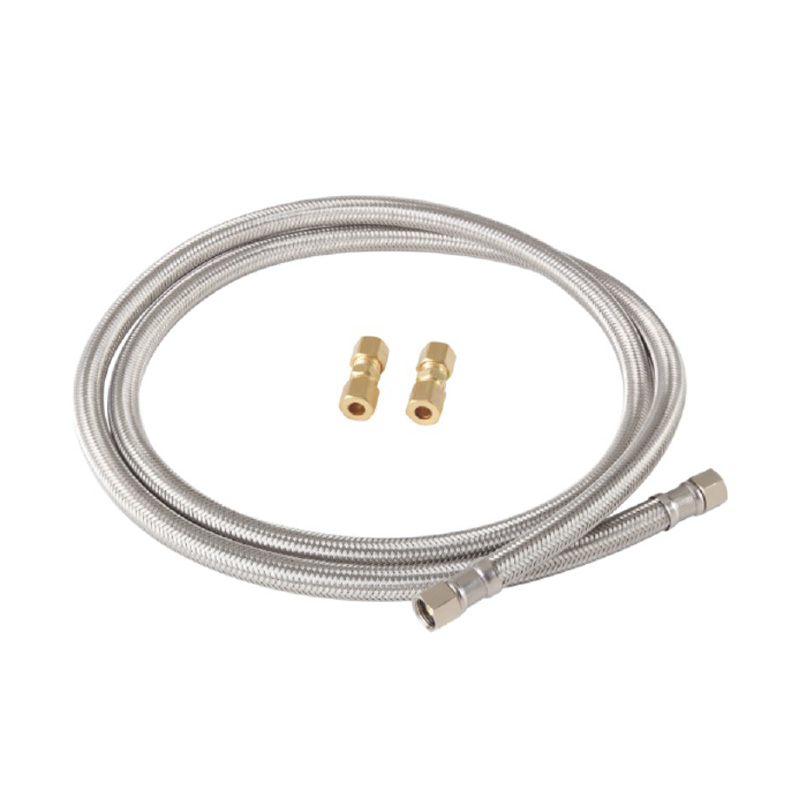
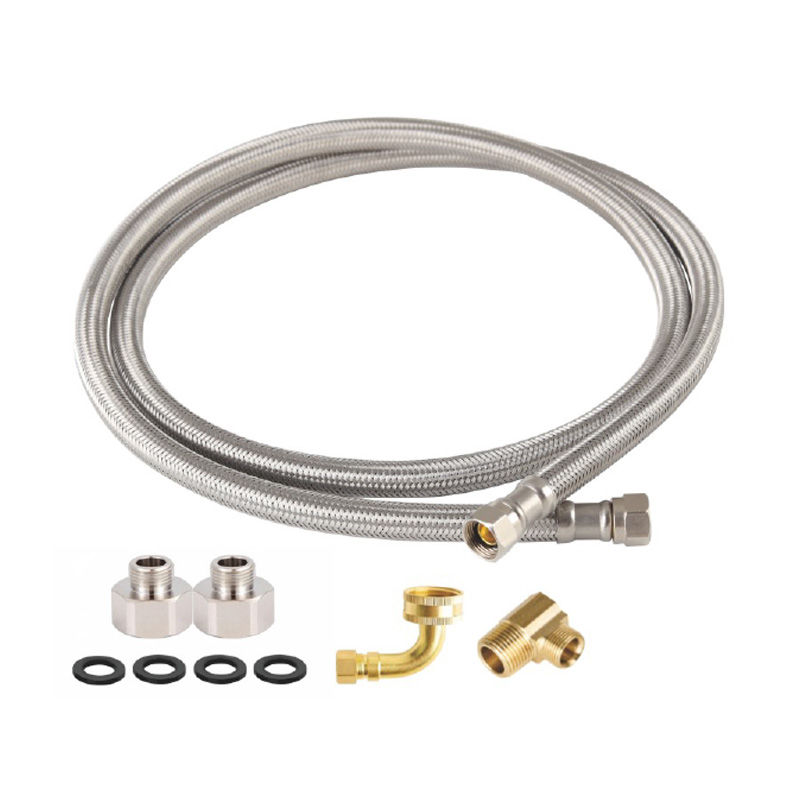
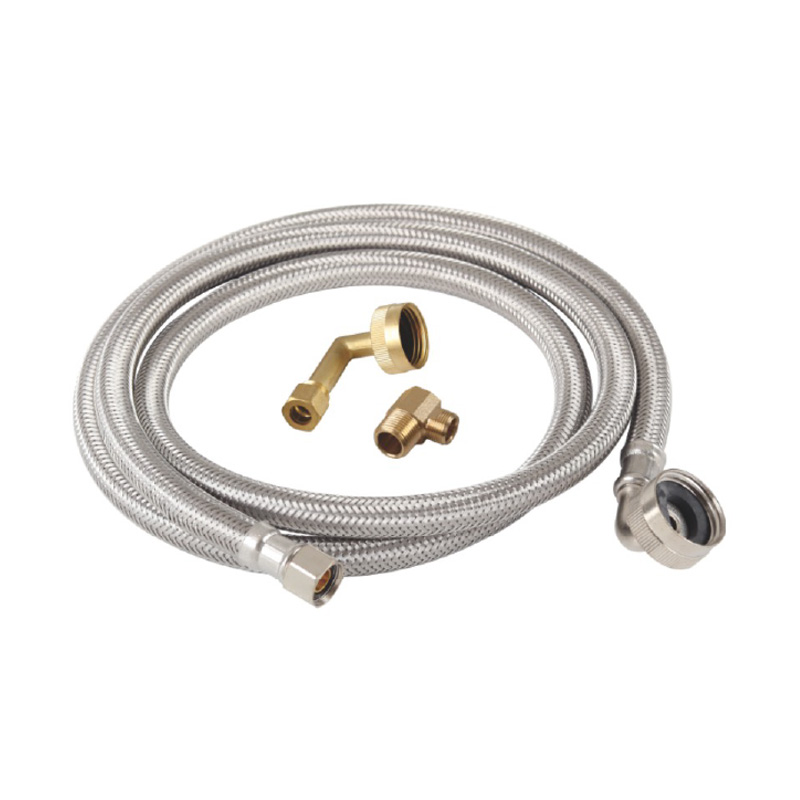
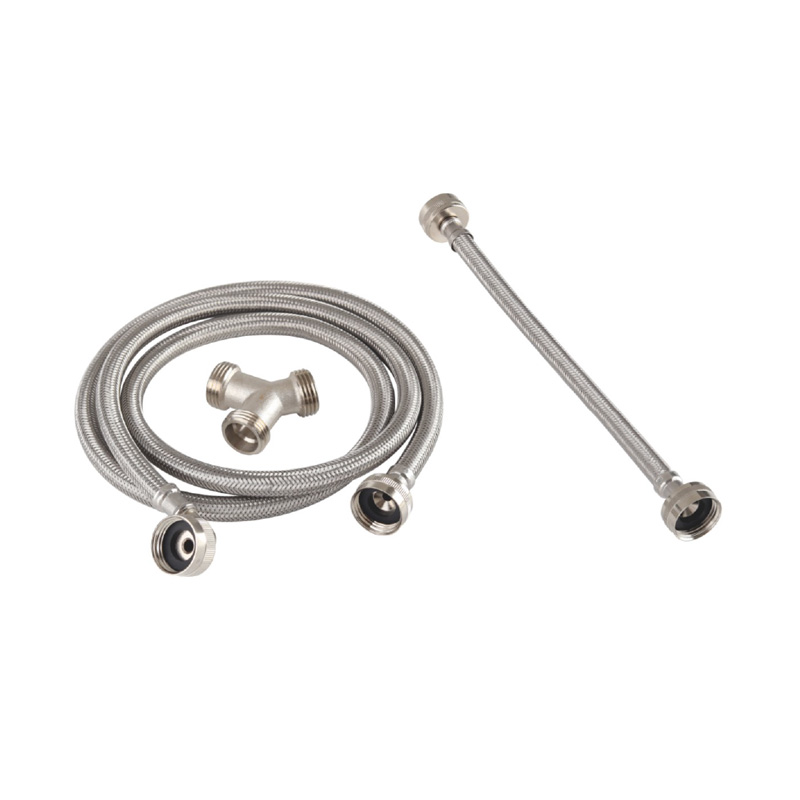
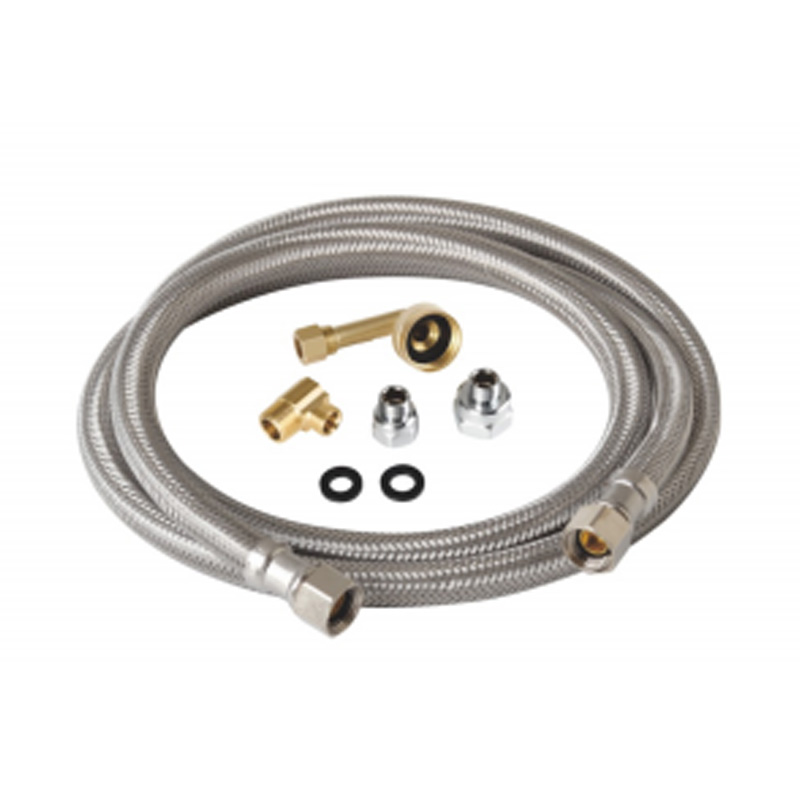
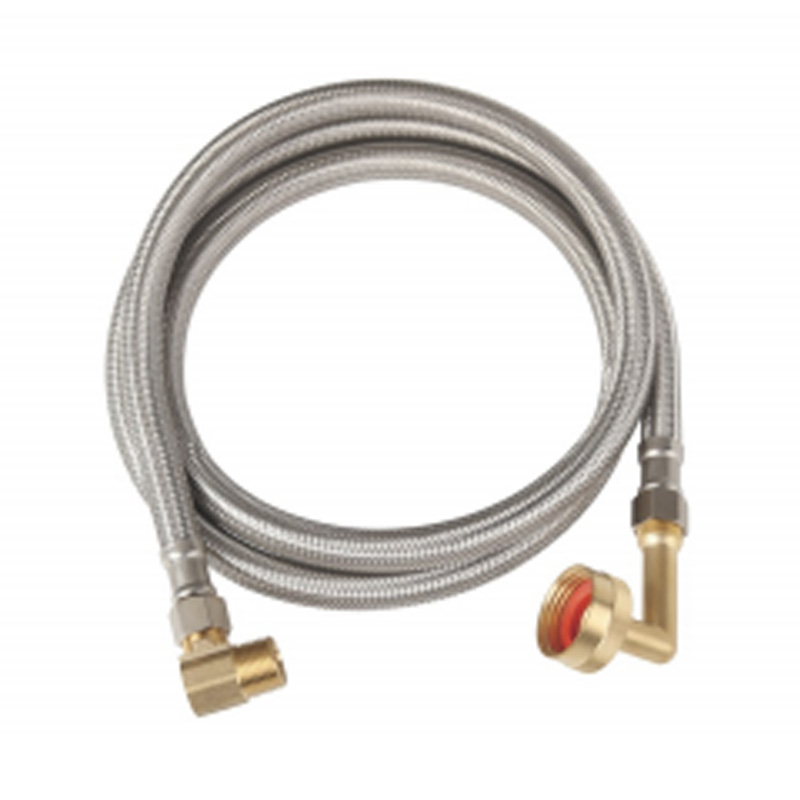
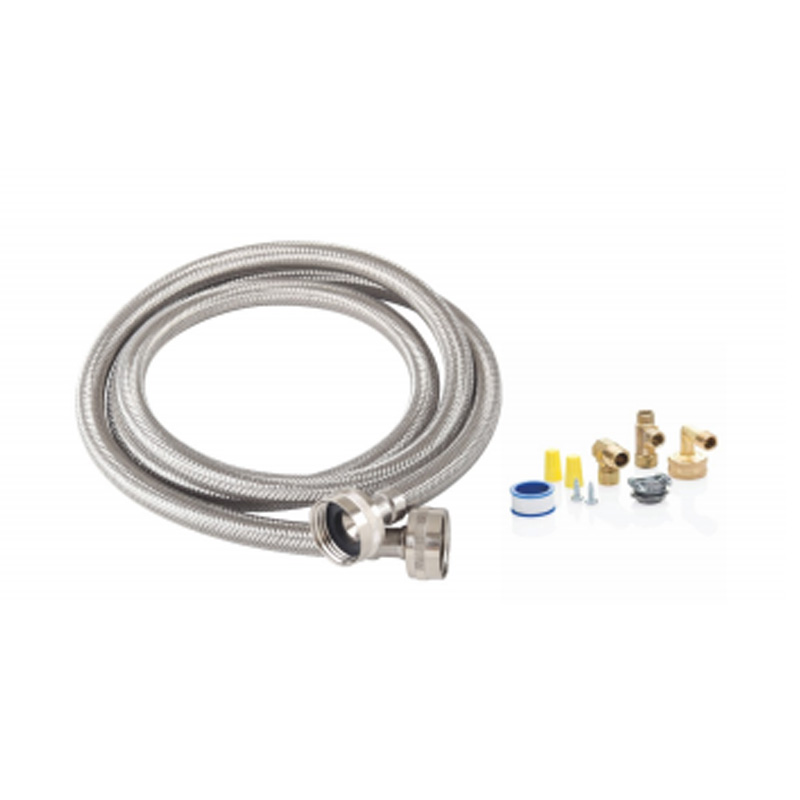
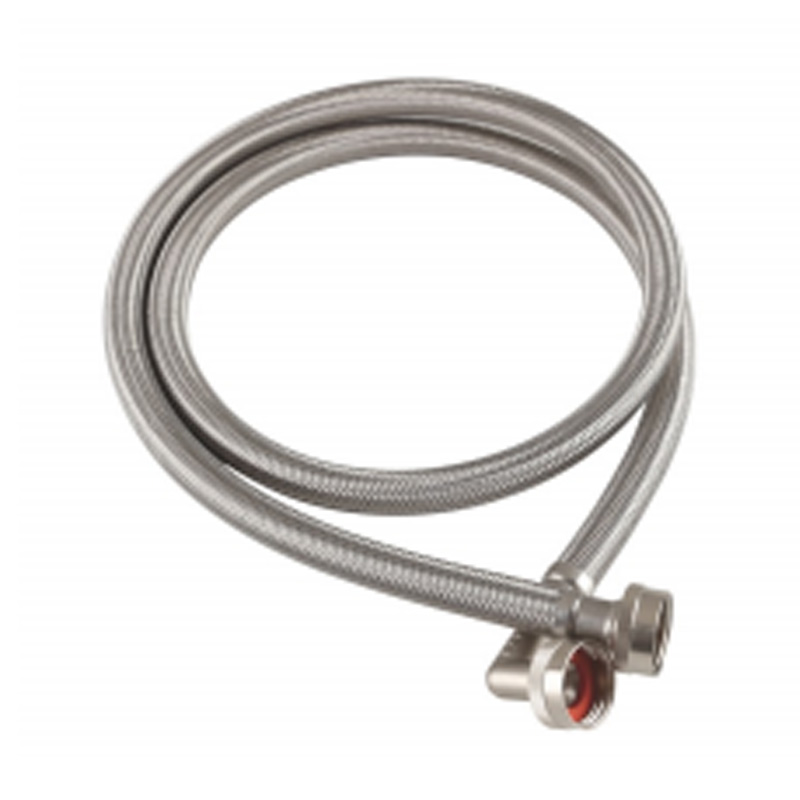
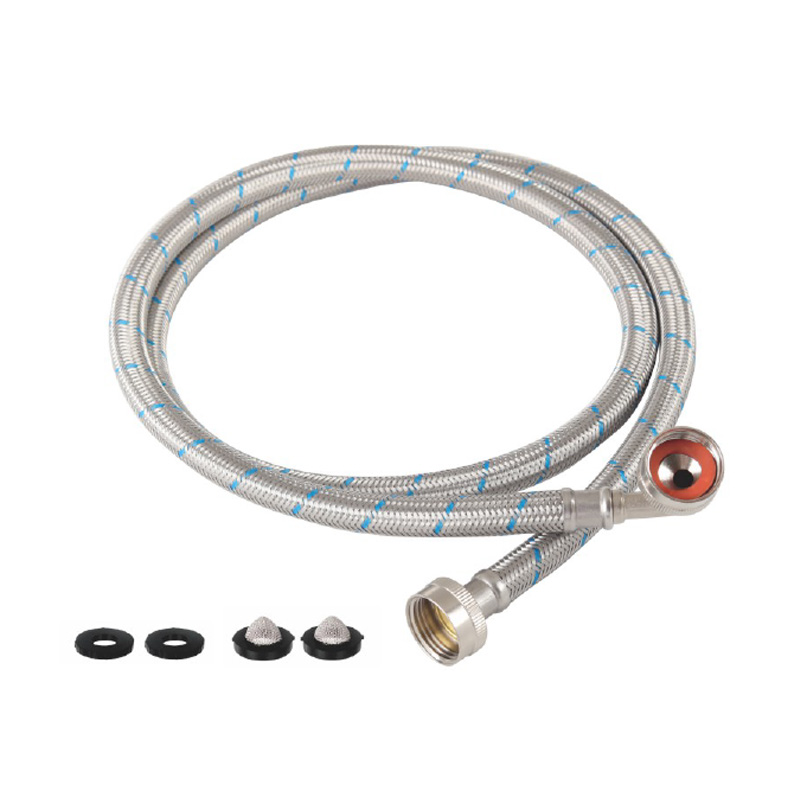
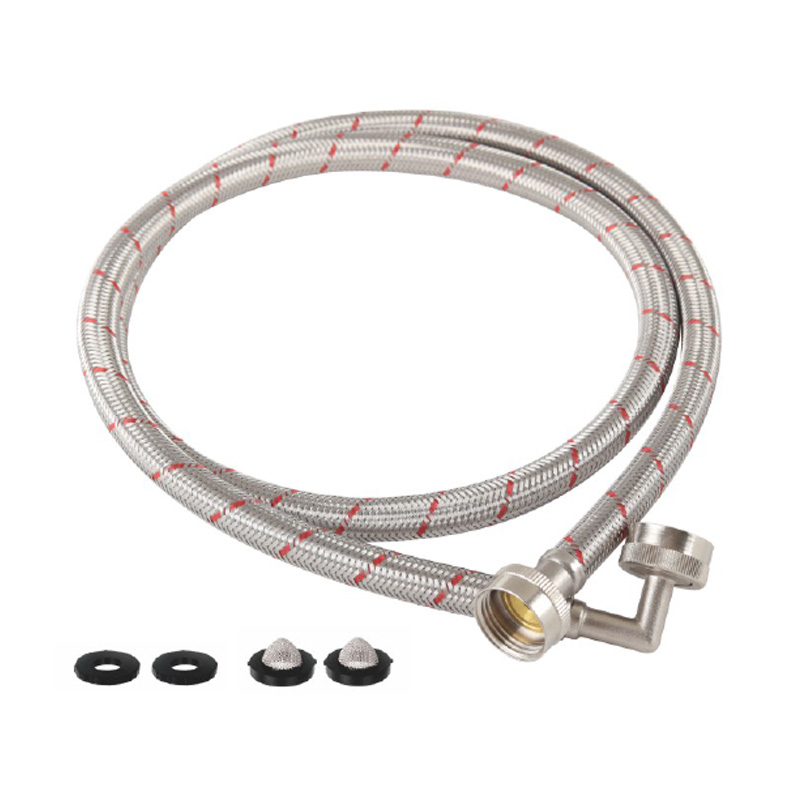
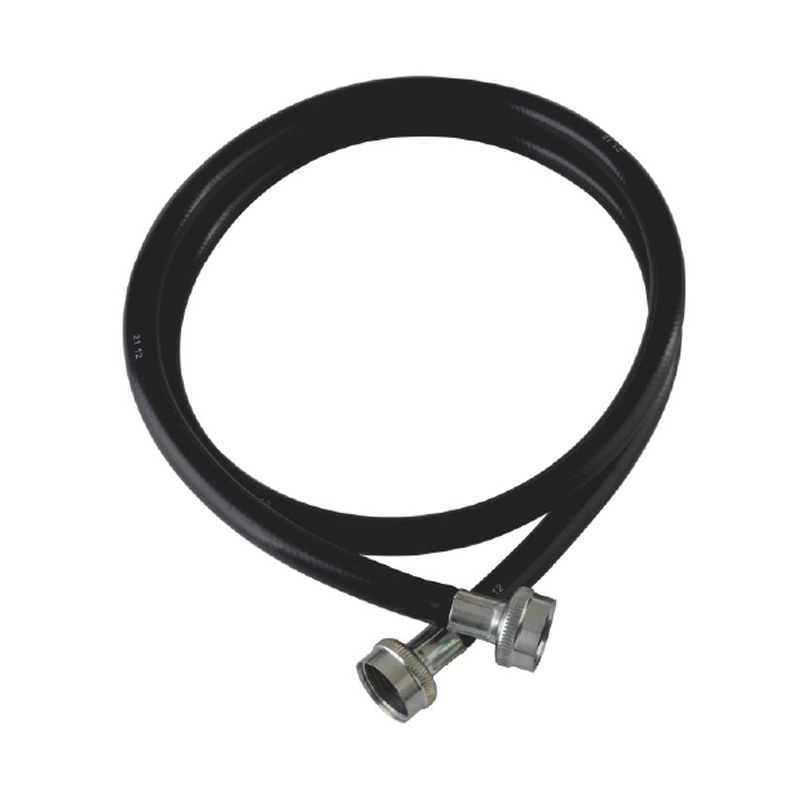
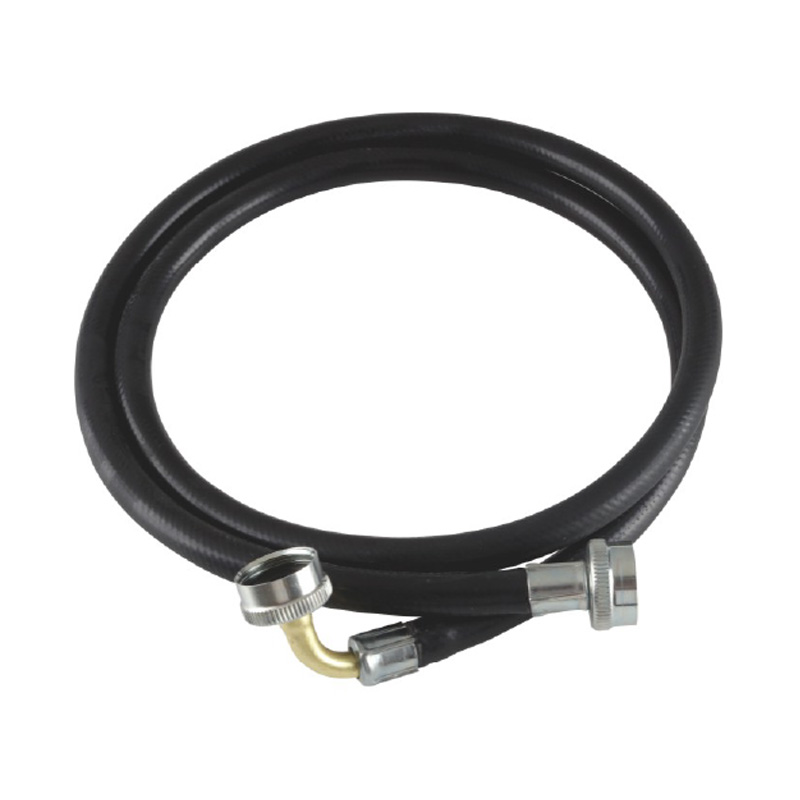
Flexible duct couplings are designed to connect sections of ductwork, allowing for the efficient transfer of air or other gases. They are typically made from materials that can withstand the...
READ MORE-
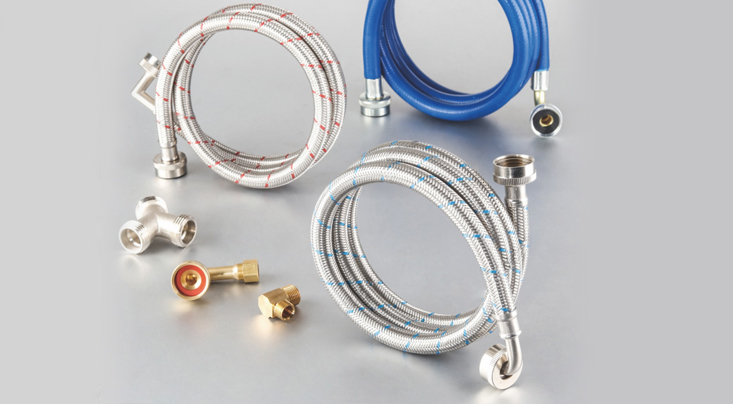

OUTER MATERIAL: SS.PVC
INNER MATERIAL: PVC.PEX.EPDM
DN: Ø7.5 Ø9 Ø10 Ø16 Ø20
DESCRIPTION:
1/4C 3/8C 1/2C 1/2FIP MFC3/8
7/8BC 3/4MIP 3/4FIP 3/4GHT 3/4ELBOW
1"FIP 1"MIP
About Us
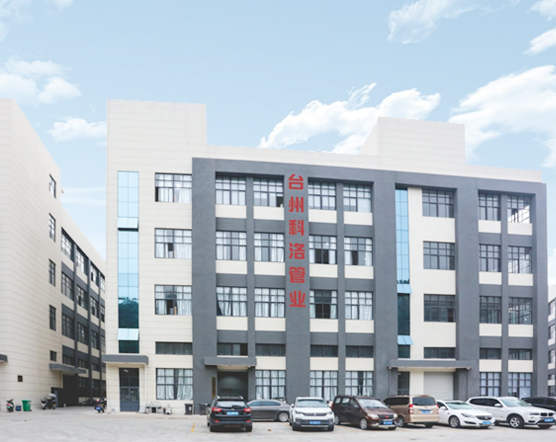
Taizhou Kele Hose Industry Co.,Ltd.
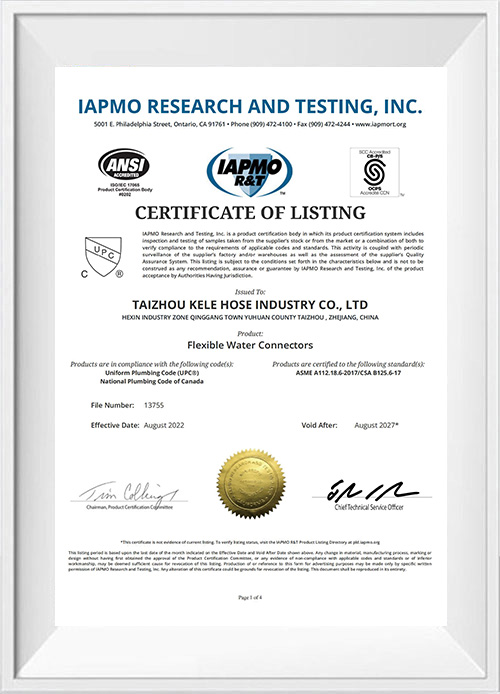
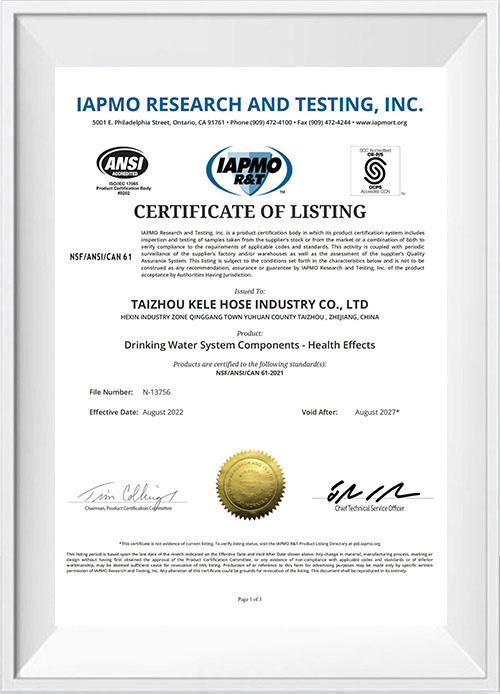
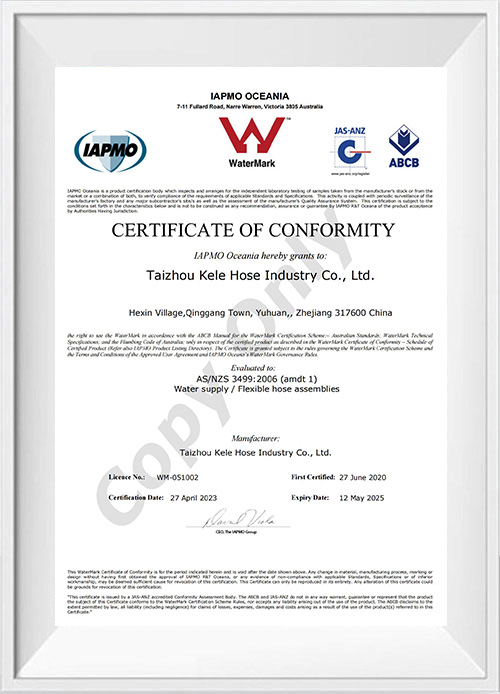
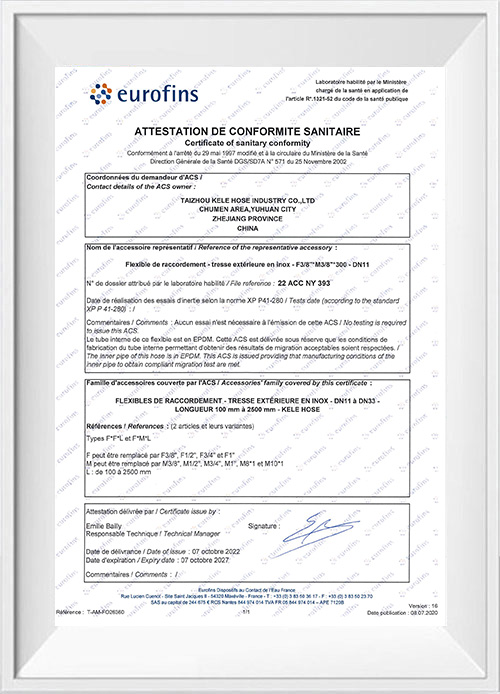
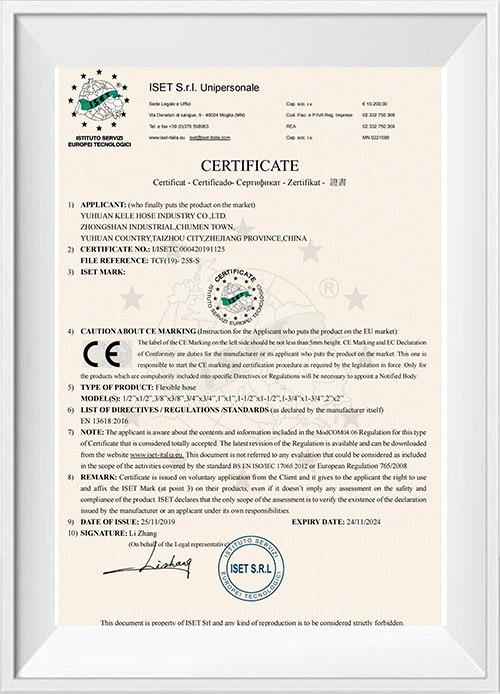
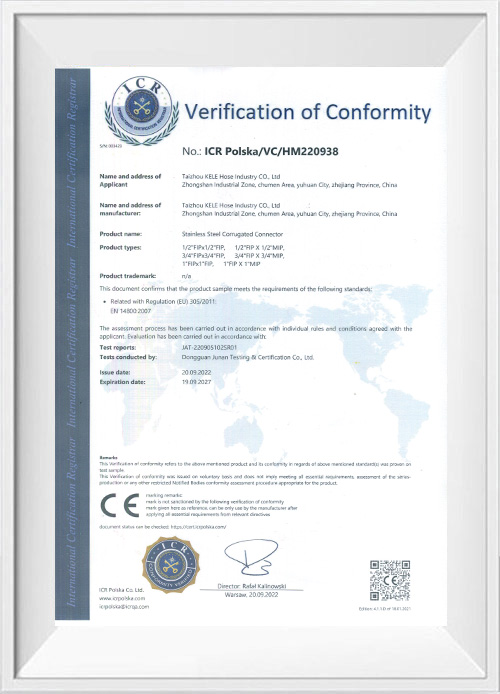
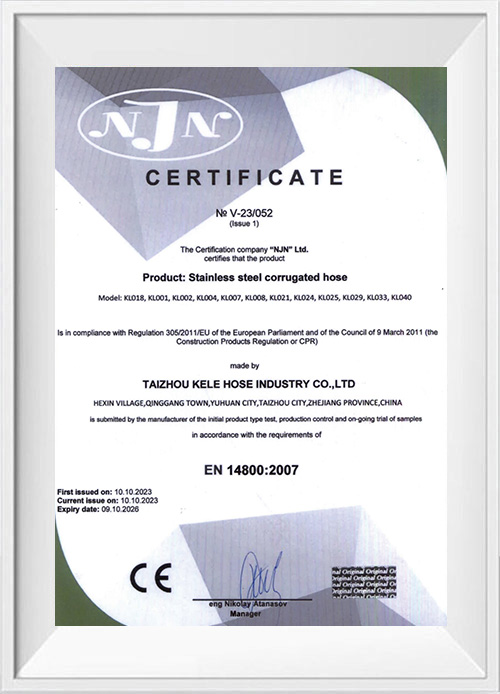
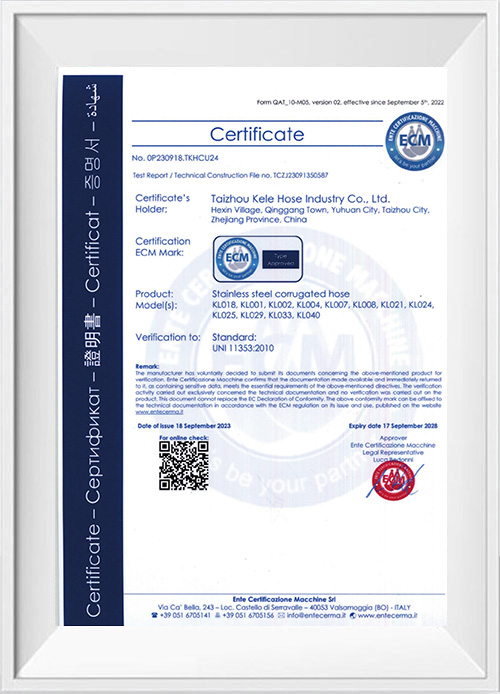
Taizhou Kele Hose Industry Co., ltd was founded in 2010 in Hexin Industrial Zone,qinggang town, yuhuan City, Taizhou city, zhejiang P.S., china. kele specializes in producing, developing and selling Washing Machine Hoses, Washing Machine Hoses manufacturer, all kinds of gas hoses, and gas valves. Since its establishment, Kele has always adhered to the business principle of people-oriented and integrity and is committed to providing customers with quality products and services. At present, Kele has passed the iso9001 quality management system certification, CE, ACS, cups, nsf61-9, and watermark, to achieve rapid and stable development of the company.
Certificate Of Honor
News
-
-
Flexible hoses are designed to withstand various pressures, temperatures, and chemical exposures, making them indispensable in a wide array of industries. Lightweight flexible hoses are engi...
READ MORE -
The modern bathroom has evolved significantly over the years, with a focus on both functionality and aesthetics. Plumbing fixtures, once an afterthought, are now integral to the design and c...
READ MORE -
Flexible pipes have emerged as a key component in various systems, offering a range of benefits that traditional rigid pipes simply cannot match. Among the more notable types are high-temper...
READ MORE -
In the realm of HVAC systems, the flex duct coupling is a critical component that ensures the seamless connection between duct sections. Made from durable materials such as aluminum or stain...
READ MORE
Message Feedback
Washing Machine Hoses Industry knowledge
Washing machine hose is a flexible conduit that connects the washing machine to the home's water supply. Typically made from materials like PVC or stainless steel, it is designed to handle both hot and cold water with durability and flexibility. The hose allows for the efficient flow of water into the washing machine for each cycle. Key features of washing machine hoses include resistance to high pressure and wear, flexibility to fit various installation spaces, and compatibility with different hose connectors.
The Role of Washing Machine Connectors with PVC Hoses
The PVC washing machine hose is a popular choice for connecting washing machines to the water supply due to its durability, flexibility, and cost-effectiveness. Made from polyvinyl chloride (PVC), these hoses offer resistance to abrasion, corrosion, and various chemicals, making them suitable for handling both hot and cold water. The flexibility of PVC allows for easy installation and routing in tight spaces, which is particularly beneficial in-home laundry setups.
PVC washing machine hoses come in various lengths and diameters to match different washing machine models and installation requirements. They are often reinforced with braided fibers or internal spirals to enhance strength and pressure resistance, reducing the risk of bursts or leaks. Some PVC hoses are also equipped with built-in anti-kink features to prevent the hose from bending or collapsing, which can obstruct water flow.
A key component in the installation of a PVC washing machine hose is the washing machine connector. This connector links the hose to the washing machine’s inlet valve, ensuring a secure and leak-proof connection. The connector is typically made from metal or durable plastic and is designed to accommodate various hose fittings, such as threaded or compression types.
Regular inspection of the PVC washing machine hose and connector is essential to ensure proper functioning and prevent leaks. Over time, PVC can become brittle or cracked due to wear and tear or exposure to high temperatures. Replacing old or damaged hoses promptly can help avoid water damage and maintain the efficiency of the washing machine. The PVC washing machine hose, coupled with a reliable washing machine connector, provides a dependable solution for managing water flow in laundry systems.
How to Install and Maintain a Washing Machine Connector
The washing machine connector plays a crucial role in establishing a secure and efficient connection between the washing machine and the water supply. This component is designed to link the washing machine hose to the machine’s inlet valve, ensuring a leak-proof and reliable water flow. Made from materials like brass, stainless steel, or high-quality plastic, washing machine connectors are built to withstand high pressure and resist corrosion.
Washing machine connectors come in various types and configurations, including threaded, compression, and quick-connect fittings. These connectors are designed to accommodate different hose types and sizes, providing versatility for various installation setups. The choice of connector depends on the specific requirements of the washing machine and the plumbing system in use.
One of the important aspects of a washing machine connector is its compatibility with the washing machine hose. The hose, typically made from materials like PVC or stainless steel, must be properly attached to the connector to ensure a secure and leak-proof seal. Many connectors feature built-in washers or gaskets to enhance sealing and prevent leaks.
Regular maintenance and inspection of the washing machine connector are essential to ensure its continued performance. Over time, connectors can become worn or damaged, potential leaks or water flow issues. Replacing old or damaged connectors promptly can help prevent water damage and maintain the efficiency of the washing machine. A well-chosen and properly maintained washing machine connector, paired with a reliable washing machine hose, ensures a trouble-free and efficient laundry system.
Contact us and get a quote
priority to learn about our new products
-

Hexin Village, Qinggang Town,Yuhuan, Taizhou City, Zhejiang Province, China
-

+86-576-87308199
-

-

+86-576-87308155
Copyright © Taizhou Kele Hose Industry Co.,Ltd. All Rights Reserved

Supply Washing Machine Connector